


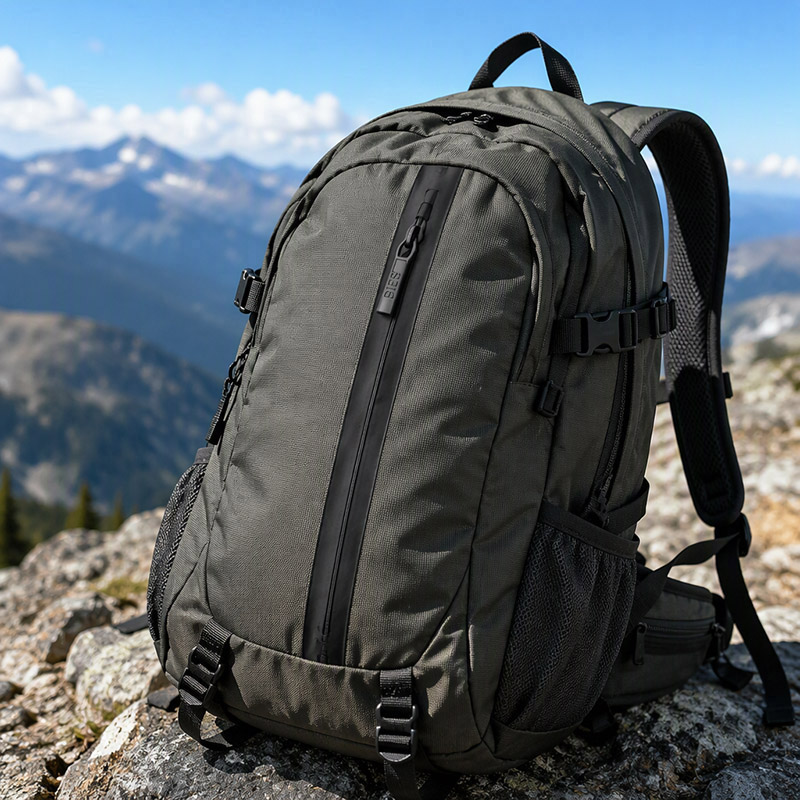
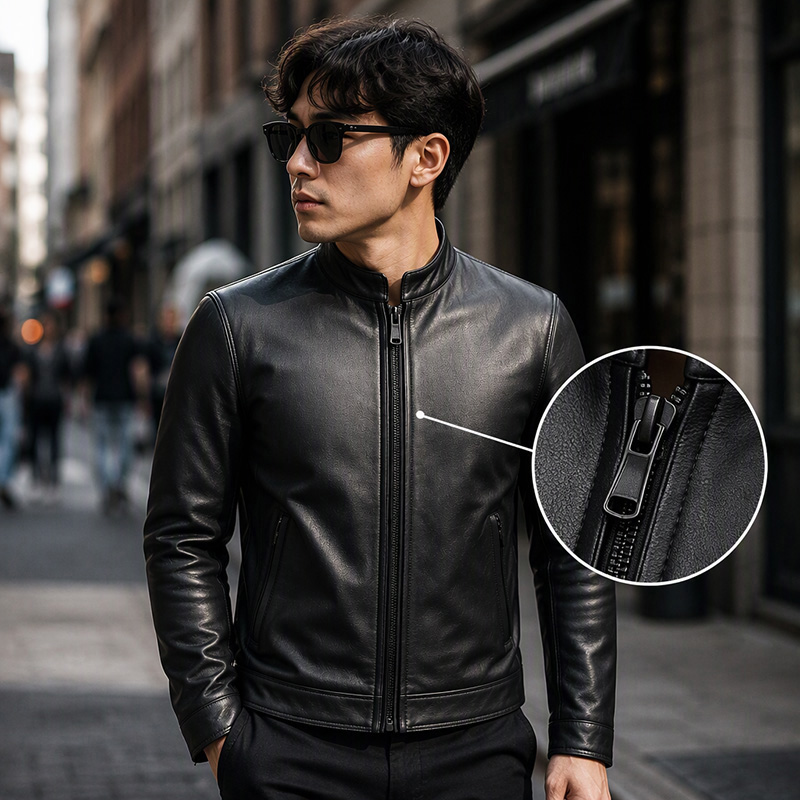
In the design of high-end functional gear—such as professional outdoor hardshell jackets, alpine shells, hiking backpacks, and tactical equipment—zippers represent both the weakest link and an indispensable component of the overall waterproofing system.
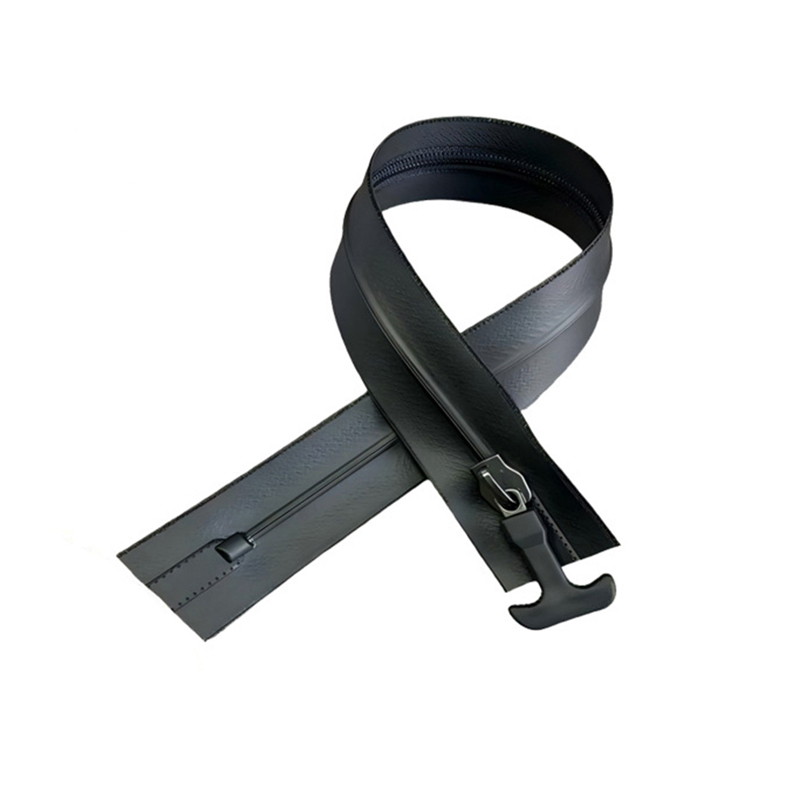
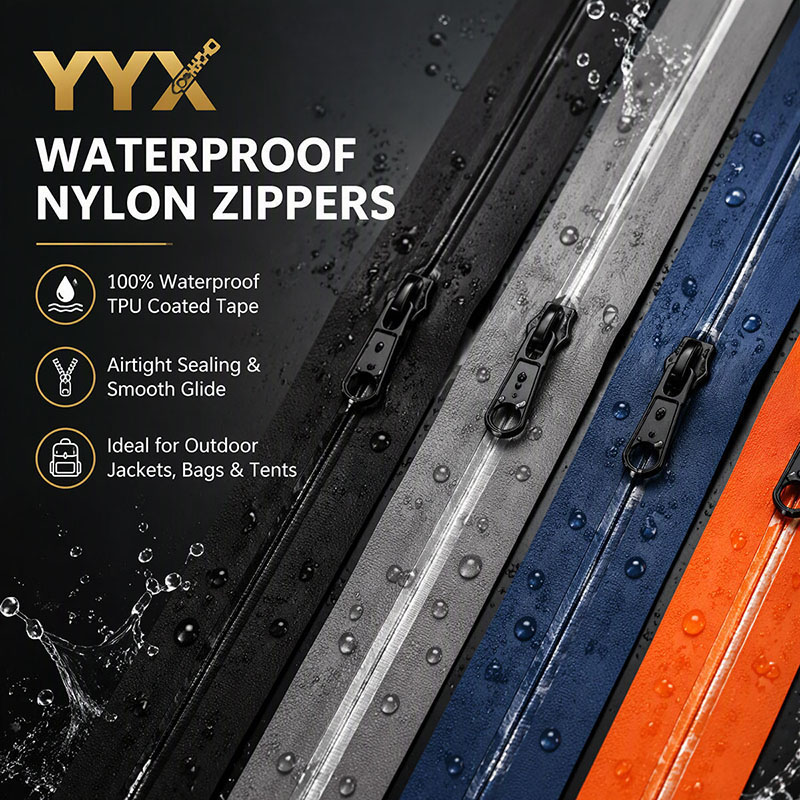
While brands can utilize high-density nylon or polyester fabrics combined with multi-layer lamination to create a robust, reliable water-repellent barrier, and seal seams using full-taped or heat-sealed techniques to block moisture ingress, zippers are inherently limited by their own structure. Gaps naturally exist between the teeth, at the junction of the fabric tape and the teeth, and where the slider meets the teeth. These tiny, often invisible channels allow rainwater, environmental condensation, and moisture-laden air to penetrate the gear.
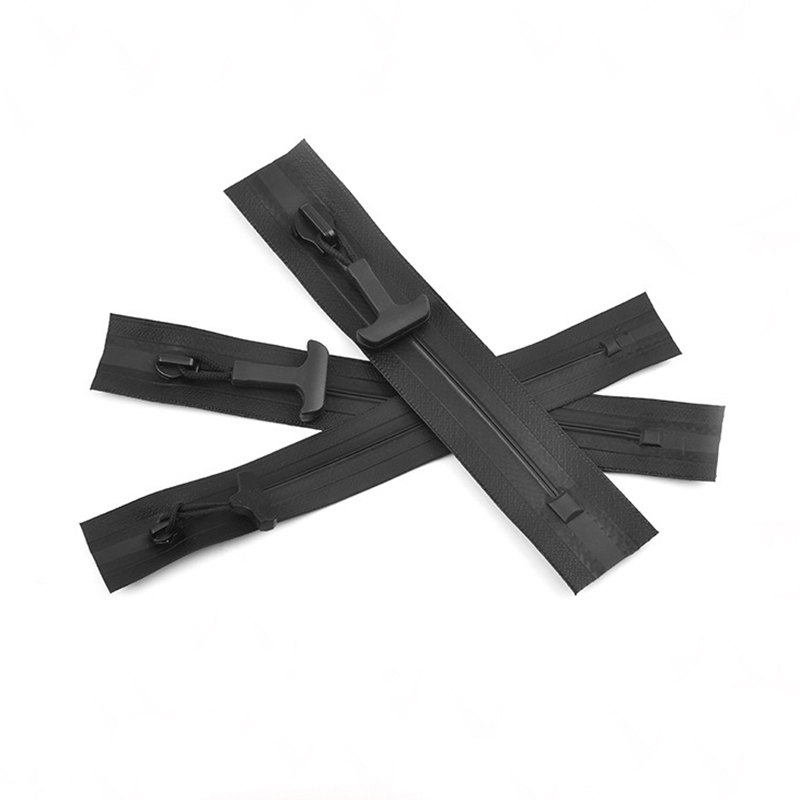
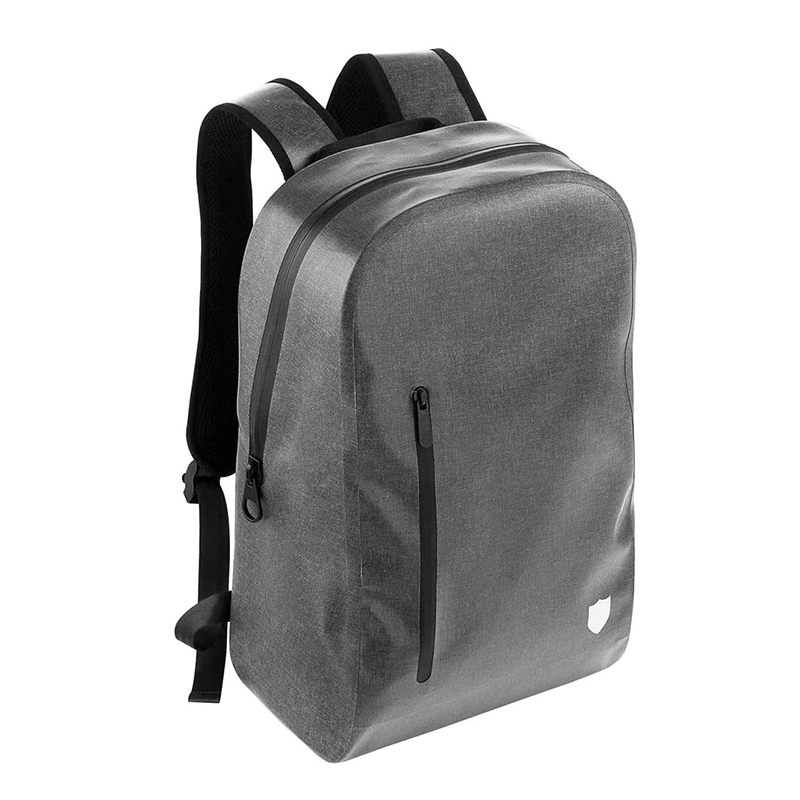
TPU (thermoplastic polyurethane) effectively addresses these pain points, making it the premier choice for high-end waterproof zippers:
First, it offers exceptional flexibility. The high-molecular-weight TPU film we use remains stable and flexible even in extreme cold—down to -40°C—without becoming stiff or brittle. This is critical for high-altitude mountaineering, polar expeditions, winter skiing, and tactical gear used in frigid environments. Since zippers are opened and closed repeatedly, any loss of elasticity in the film would not only compromise waterproofing but also cause the slider to jam or the film to crack, directly impairing the gear's functionality in harsh conditions.
Second, it is highly resistant to abrasion and scratching, making it ideal for demanding field environments. During activities like hiking, mountaineering, or field operations, backpacks are frequently exposed to friction from sand, gravel, branches, and rocks. Standard films are easily scratched or worn through; however, high-molecular-weight TPU film offers superior tear and abrasion resistance. It maintains an intact, sealed waterproof layer even after prolonged exposure to friction and scraping, thereby extending the overall lifespan of the equipment.
Third, it provides superior thermal adaptability and better compatibility with lamination processes. TPU offers a more favorable heat-sealing window, making it highly compatible with the heat-welding processes commonly used for technical outerwear and backpacks. It ensures a more secure bond for the seam-sealing tape applied around the zipper webbing, effectively preventing issues like delamination or bubbling—thereby reducing the defect rate during the final manufacturing stages of garments and bags.
If you are looking for reliable, customizable TPU waterproof zippers for high-end outdoor apparel, waterproof backpacks, or tactical gear, please contact us to receive a competitive quote and samples.
Contact us: amy@yyxll.com